- Coffee
- 18 g
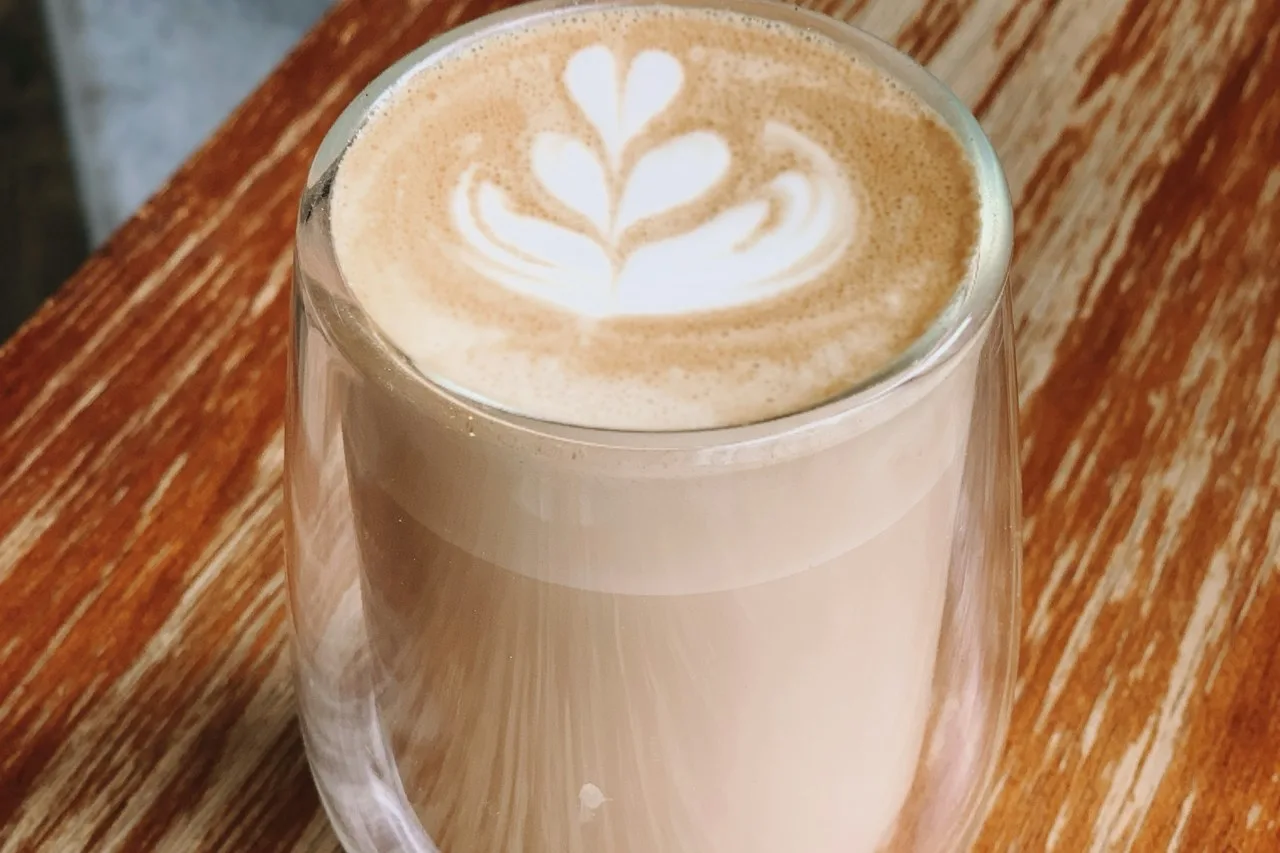
A classic latte with a homemade vanilla-pod syrup that leaves tiny black specks in the cup. Hot or iced, serves four, with syrup for many more.
By Equipo Cocinoa
What you need
Tap each piece to see its catalogue entry.
- EssentialEspresso coffee makerWater to 9 bars of pressure through fine and pressed coffee. Here are the machine types, from the lever to the double boiler.€150–3500approx.View on Amazon
- RecommendedEspresso grinderElectric grinder with very fine adjustment, designed for espresso. It matters more than the machine itself.€150–700approx.View on Amazon
- RecommendedMilk jarThe steel pitcher with peak to vaporize and texturize the milk. It helps you get microfoam and draw in the cup.€10–30approx.View on Amazon
- RecommendedCazoThe oldest and most simple method: coffee and water in a bowl, rest and decantation. It serves for the puchero coffee, the cowboy coffee and even the Turkish.€10–30approx.View on Amazon
- OptionalGlass jarA glass jar with a lid serves the cold brew, to shake drinks and to save coffee. The cheapest accessory.€2–10approx.View on Amazon
- OptionalThermometerTo know what temperature the water, milk or grain are at. Useful if your kettle does not regulate and almost compulsory to toast.€8–30approx.View on Amazon
As an Amazon Associate I earn from qualifying purchases.
No Espresso coffee maker? This works too
- Italian coffee maker (moka)€20–60The life-long stove coffee maker: the steam pushes the water through the coffee. Intense, with body and very cheap.
- AeroPress€35–55A plastic cylinder with plunger: immersion and a soft pressure. Versatile, resistant and almost unbreakable. Ideal for travel.
- Portable espresso€130–350Hand and compact equipment, type Picopresso or Flair, that reach the pressure of the espresso without electricity. To travel or to begin.
Method
Scrape the seeds out of the split pod with the tip of a knife.
Put 150 ml of water, the sugar, the seeds and the pod in a saucepan. Heat over a medium heat, stirring, until it boils and the sugar dissolves, then let it simmer gently for 2 minutes.
5 min
Turn off the heat, cover and leave to infuse for about 30 minutes, until lukewarm. If you are using extract instead of a pod, add it now, off the heat. Pour into a clean jar with the pod inside: you will get about 220 ml.
30 min
Put 20 ml of syrup (4 teaspoons) in each warmed mug, make a 36–40 ml double espresso on top (see the ‘Espresso’ recipe) and stir.
Steam the milk in two batches, 200 ml per mug, to 60–65 °C, with a fine, glossy foam. Pour it over the coffee and serve straight away.
If you prefer it iced, skip the steamed milk: put the syrup in a tall glass, fill it with ice, add 180 ml of cold milk and pour the espresso slowly over the top, as in the ‘Iced latte’.
Tips and warnings
Vanilla is the cured fruit of a Mexican orchid, which the Totonac people of Veracruz were already growing before the Spanish arrived; today most of it comes from Madagascar. The vanilla latte is the most ordered syrup latte in coffee shops around the world and the base of others, such as the ‘Caramel macchiato’.
- Pod or extract: the pod leaves tiny black specks and a rounder flavour; extract is handier. Use natural extract, not ‘vanilla flavouring’, which is synthetic vanillin.
- Don't throw the pod away: rinse it, dry it and bury it in a jar of sugar; in a week you will have vanilla sugar.
- In a clean, sealed jar the syrup keeps for about 3 weeks in the fridge. It also freezes well in an ice-cube tray, in 20 ml portions.
- 20 ml makes a mild latte; if you like it sweeter, go up to 30 ml.
- Milk at 60–65 °C: any hotter and it loses sweetness and the foam breaks down.
- Oat or soya ‘barista’ drinks work very well, hot or iced.
One last thing
One pod, a little sugar and half an hour of patience: simple things done well are the most welcome. Just like a ko‑fi.