- Coffee
- 18 g
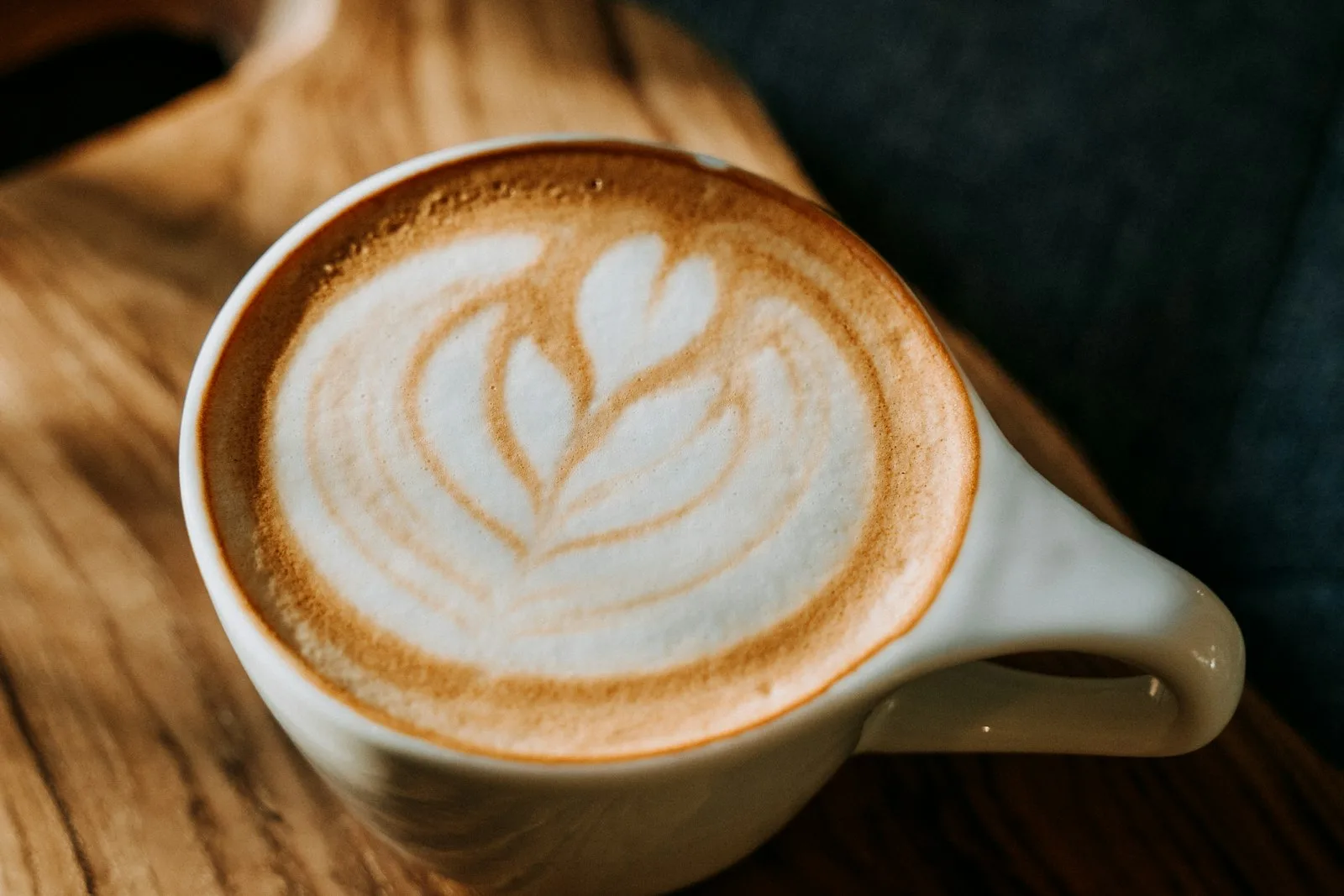
Double espresso with a fine and bright microfoam. More coffee and less milk than a latte, with a silky texture.
By Equipo Cocinoa
What you need
Tap each piece to see its catalogue entry.
- EssentialEspresso coffee makerWater to 9 bars of pressure through fine and pressed coffee. Here are the machine types, from the lever to the double boiler.€150–3500approx.
- RecommendedEspresso grinderElectric grinder with very fine adjustment, designed for espresso. It matters more than the machine itself.€150–700approx.
- RecommendedMilk jarThe steel pitcher with peak to vaporize and texturize the milk. It helps you get microfoam and draw in the cup.€10–30approx.
- Recommended0,1 g baseA scale with precision of 0,1 g and timer. Weighing coffee and water is the easiest way to repeat a good cup.€15–250approx.
- OptionalTermómetroPara saber a qué temperatura están el agua, la leche o el grano. Útil si tu hervidor no regula y casi obligatorio para tostar.€8–30approx.
No Espresso coffee maker? This works too
- Portable espresso€130–350Hand and compact equipment, type Picopresso or Flair, that reach the pressure of the espresso without electricity. To travel or to begin.
- Italian coffee maker (moka)€20–60The life-long stove coffee maker: the steam pushes the water through the coffee. Intense, with body and very cheap.
- AeroPress€35–55A plastic cylinder with plunger: immersion and a soft pressure. Versatile, resistant and almost unbreakable. Ideal for travel.
Method
Prepare a double espresso or a double ristretto of 36-40 g ("Espresso" or "Ristretto" recipes) in a cup of 150-180 ml.
Vaporiza 100-130 ml of milk up to 55-65 ° C in very little air: you want a fine microfoam, no visible bubbles.
If the foam is thick, hit the pitcher and turn it until it shines like paint.
Pour the milk from close, in a fine and continuous jet, to integrate with the cream and remain a flat layer.
It serves immediately, before the texture is separated.
Tips and warnings
Its origin is disputed between Australia (Sydney, the 1980s) and New Zealand (Wellington). What is clear is the proportion: approximately 1 part of coffee per 2-2.5 of milk.
One last thing
Australia and New Zealand are fighting their origin. You and I can sign the peace with a ko‑fi.